
Local Angle: How Harbor Pilots Navigate a City's Most Dangerous Channel
Inside the boarding, channel hazards and tug work behind a harbor pilot's transit, plus practical steps that keep small boats and big ships out of each other's way.
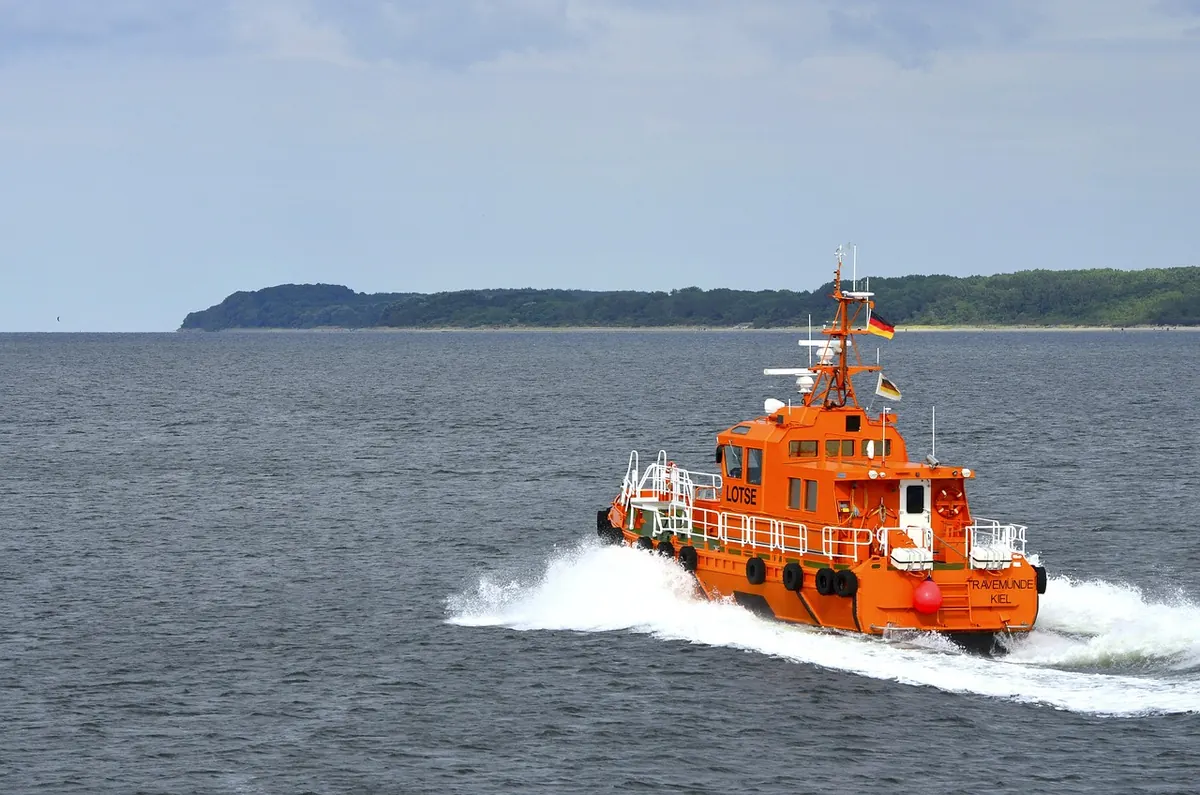
Every arrival at this port starts with a small boat, a rope ladder and a decision measured in seconds. A harbor pilot steps from a launch onto the side of a ship that can be longer than three football fields, climbs to the bridge, and takes the con. From that point on, the course, speed and engine orders come from someone who has run this channel hundreds of times — and who remembers every place it has gone wrong.
The channel does not care who is in command. It cares about tide, draft, wind, and whether the people on the bridge are talking to each other. Here is how a boarding and a transit actually work, and where the real risk sits.
The Boarding Is the First Serious Risk
For many pilots, the most dangerous part of the day is the ten metres between the launch and the ship's side. Pilot transfers are governed by international rules on ladder construction and rigging, and those rules exist because the failure mode is a person falling between two moving vessels.
What a sound arrangement looks like:
- The ladder is rigged before the launch is alongside, secured to a strong point, with no makeshift steps or loose lashings.
- Two manropes are in place, along with a lifebuoy on a line and adequate lighting after dark.
- An officer meets the pilot at the deck with a radio and a clear route to the bridge.
- The ship holds a steady course and moderate speed while the launch's coxswain works the lee side and matches it.
If the sea state is wrong, the boarding can be postponed. A launch does not overrule the weather, and a schedule does not outrank a safe transfer.
Reading the Channel Before the Ship Arrives
A transit plan starts hours out, sometimes the day before. The pilot weighs the tide and current window, the ship's draft and air draft, the wind forecast, bridge restrictions, traffic, berth availability, and how many tugs are on the job. None of that is guesswork, but all of it can change by the time the ship reaches the sea buoy.
The master-pilot exchange
Before anything moves, the pilot and the master sit down — usually five minutes, sometimes fifteen — and work through the plan. Done properly, it covers the intended track and the abort points along it, the ship's draft and any trim that affects handling, wheelhouse controls and steering modes, tug numbers and where each tug will work, and the communication conventions for the transit.
The exchange is not a formality. It is the moment when the master learns what the pilot is worried about, and the pilot learns how this particular ship answers a helm order.
Where the Channel Bites
Most of this cut looks generous on a chart. It is not.
Shallow water changes how a ship behaves. Squat pulls a vessel deeper than it draws at rest, and the effect grows with speed. In a narrow channel the bank pulls as well: the bow tends to be pushed off while the stern is drawn toward the bank, which is how a ship ends up sheering with nobody touching the wheel.
Then there is interaction. Two ships passing too close, or one overtaking at speed, can drag each other off track. Bridge piers, turning basins and ferry crossings add to the list, and so does windage on a container ship stacked high above the waterline.
Tugs Do More Than Push
A tug is not just horsepower. What matters is bollard pull, where the line is made fast, and when the order is given.
An escort tug on the stern can brake a ship or hold it against a cross-current while the pilot works the bends. Working tugs come alongside for the berthing manoeuvre, sometimes made fast on the hip, sometimes steering on a headline. Tug masters are part of the team, not a delivery service. A pilot who talks to them plainly and early gets better work out of them.
Settle the sequence before it starts: which tug goes where, which line goes on which bitts, and what happens if one of them has to let go.
Who Talks, and On Which Channel
On the water, communication is short and repetitive by design. Harbor control assigns the channel, pilots and tugs use a working frequency, and instructions are read back so nobody has to guess.
Three habits prevent most confusion:
- Say what you are about to do before you do it.
- Read back anything involving a turn, a stop or a line.
- Say less. A crowded channel is no place for commentary.
When the Plan Changes
Every good transit plan has an abort point — a place past which the approach commits you to the berth. Before that line, turning back, anchoring or waiting for the tide are all normal outcomes. After it, the options shrink fast.
There is no prize for pushing a marginal boarding or a tight approach. Fog, a freshet pouring down the river, a sudden squall, a stuck tug, an engine that does not answer as expected — each is a reason to slow down or start again. A second attempt costs an hour. The alternative can cost a ship.
What This Means If You Are Out There
For crews, the list is short: rig the ladder properly and check it yourself, keep the deck clear, mind your speed on approach, and ask the pilot what they need before they have to ask you.
For recreational boaters and small commercial traffic, a few habits matter more than most people assume:
- Stay out of the main ship channel when you can, and cross it at right angles when you must.
- Monitor the harbor working channel near the docks and keep your radio on.
- Never cross ahead of a large ship to beat it. A loaded ship can take a mile or more to stop, and it
Photo: Pixaline / Pixabay