Checklist: 10 Questions Before Leasing a Waterfront Warehouse
A practical due-diligence checklist for waterfront warehouse tenants, covering flood exposure, truck access, berth rights, zoning, environmental history and the lease clauses...
A warehouse with water at the door sounds like a logistics dream until you read the lease. Waterfront industrial space carries obligations that inland buildings never see: dredging, berth assignments, tidal flooding, stormwater permits, and zoning written for a working port rather than a distribution center. The rent can look reasonable. The risk rarely is.
Most waterfront leases get signed by people who toured the building at noon on a dry Tuesday. The questions below are the ones that surface later, usually at the worst possible moment.
Flood Risk: The Question Landlords Hope You Skip
Start with the paperwork, not the view. Ask for the flood zone determination, the base flood elevation, and the elevation of the finished floor. A building can sit in a moderate-risk zone on the map and still take water through the loading doors when a storm surge arrives at high tide. The map tells you what an insurer thinks; the site tells you what happens.
Then ask what the last two named storms actually did here. Did water reach the apron? How long was the site closed? Who paid for the cleanup? Talk to the neighboring businesses if the landlord is vague.
Things to check in person
- Where the electrical panels, compressors and server racks sit relative to the finished floor
- Whether floor drains and storm inlets back up during heavy rain
- How high your racking and inventory would need to sit to stay dry
- Whether standard commercial property insurance excludes flood — it usually does
Flood coverage for a marine-industrial building can be expensive or capped well below replacement cost. Get quotes before you negotiate rent, not after.
Truck Access: Measure It Yourself
A site can be perfect on paper and unusable at 7:30 a.m. Drive the route from the highway in a loaded tractor-trailer during a weekday morning. Note the low bridge, the narrow causeway, the rail crossing, and the intersection where a left turn requires blocking two lanes.
Ask the city or county public works department for designated truck routes, posted weight limits and seasonal restrictions. In some northern jurisdictions, spring weight limits cut the allowable load on certain roads for weeks. Then look inside the fence: gate width, turning radius, queuing space for inbound trucks, and whether a trailer can pull out of the yard without backing onto a public street. If your operation runs fifty trailers a day and the yard holds eight, throughput is a math problem you cannot fix with scheduling.
Berth Rights: What Exactly Are You Renting?
Renting the building does not automatically rent the water. Berth rights come from the landlord, from a submerged lands lease with the state, or from a port authority — and those are three different documents. Establish whether your berth is exclusive or preferential. Preferential means you have first claim until someone with a higher priority needs it.
Then get the physical facts in writing: controlling depth at mean low water, tidal range, fendering and mooring hardware condition, gangway access, and who maintains what. If you plan to load or unload directly over the apron, confirm that's permitted and that the wharf structure is rated for it. Dredging is the quiet deal-breaker. Permits take time, disposal of dredged material is regulated, and cost is often shared. Find out who is obligated to dredge, how often, and to what depth.
Zoning, Permits and Environmental History
Confirm that your specific use is allowed outright. "Marine industrial" and "warehouse" are not the same category in every code, and outdoor container storage, fuel handling, or overnight truck parking may need a conditional use permit or may be prohibited entirely. Watch for nonconforming-use status: if the building's current use is grandfathered, expanding it might require a full review.
On the environmental side, read the Phase I assessment and ask what the site was used for before 1980. Fuel docks, boatyards and rail spurs leave behind underground tanks, creosote, lead paint and contaminated soils. Know who carries liability for pre-existing conditions, who handles reporting obligations, and whether the lease includes an indemnity that protects you if regulators come calling. This is one area where a maritime attorney earns their fee; local rules vary too much for general advice to be enough.
The Building, the Apron and the Utilities
Hire your own inspector for the structure below the waterline. Timber and steel pilings corrode fastest in the splash zone, and deck repairs are expensive and slow. On land, the apron matters more than the walls: ask for its load rating, thickness, and whether it is reinforced concrete or asphalt that softens in August. Check clear height, column spacing, dock levelers, and how a 40-foot container chassis actually parks.
Utility capacity catches people out on the waterfront. Confirm available amperage and whether three-phase power is already at the building, the size of the water service for washdown, sewer capacity, and where floor drains discharge. Drains that run straight to the harbor often trigger a stormwater permit or require an oil-water separator, and that is your problem if the lease says you must comply with all environmental laws.
Lease Terms That Decide the Deal
The rent number is the least interesting part of a waterfront lease. Read the casualty and flood clauses twice. If the building is damaged, does rent abate, for how long, and who decides whether to rebuild? Can you terminate, or are you obligated to wait through a repair timeline you have no control over?
Also pin down: insurance requirements and named-insured language, your restoration obligations after a storm, who owns improvements at the end of the term, access easements across neighboring parcels, parking allocation, subletting rights, and any personal guarantee. A vague clause about "acts of God" can leave you paying rent on a flooded warehouse.
The Ten Questions, in One Place
- What flood zone is the site in, and how does the base flood elevation compare to the finished floor?
- What did the last two storms do here, and who paid to fix it?
- Can a fully loaded truck enter, turn and exit without backing onto a public road?
- What are the posted weight limits and clearances on every route from the highway?
- Does the lease include berth rights, or only the building?
- What is the controlling depth at the berth at mean low water, and who pays to dredge?
- Is my use permitted outright, or does it require a conditional use permit?
- What did the environmental assessment find, and who carries the liability?
- What are the apron load limits, clear height and available power?
- Who pays for storm damage, flood insurance and rebuilding — and how long do I wait?
Before You Sign
Visit the site twice: once on a weekday morning when trucks are moving, and once during a high tide or heavy rain if you can arrange it. Photograph everything, get the answers in writing, and have a maritime attorney and an insurance broker review the documents before the landlord's deadline creates pressure. Good waterfront space is genuinely hard to find, which is exactly why the terms deserve a careful read.
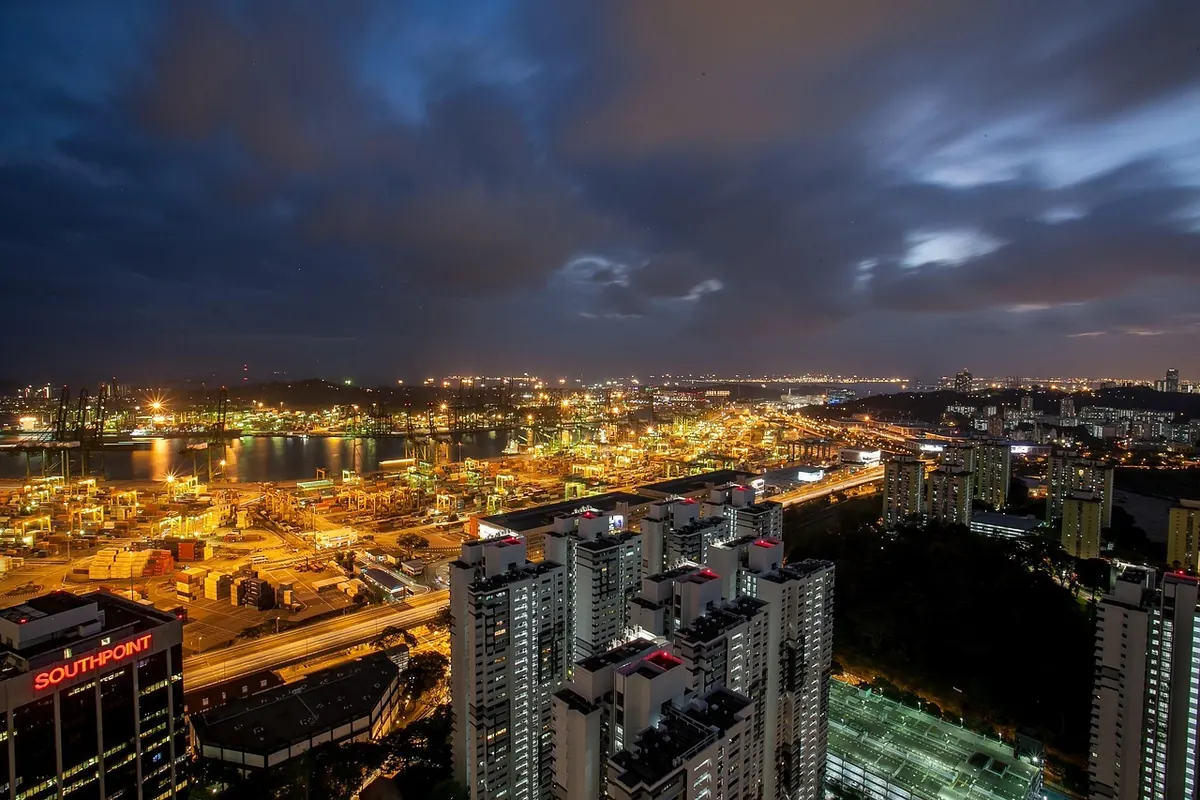
Photo: JohnsonGoh / Pixabay